Grade 6 Science: The Respiratory System
Overview
This module is designed for you, Grade 6 learner, to investigate the respiratory system. Through interactive activities and clear explanations, you will identify the parts of this system, understand how they function together, and learn how to care for your lungs. The lesson emphasizes hands-on learning to help students visualize the breathing process.
Lesson 1: The Air We Breathe
Learning Objectives:
What is the Respiratory System?
The respiratory system is a group of organs and tissues that work together to help us breathe. It allows us to take in oxygen, which our body needs for energy, and release carbon dioxide, a waste product.
The Main Parts of the Respiratory System:
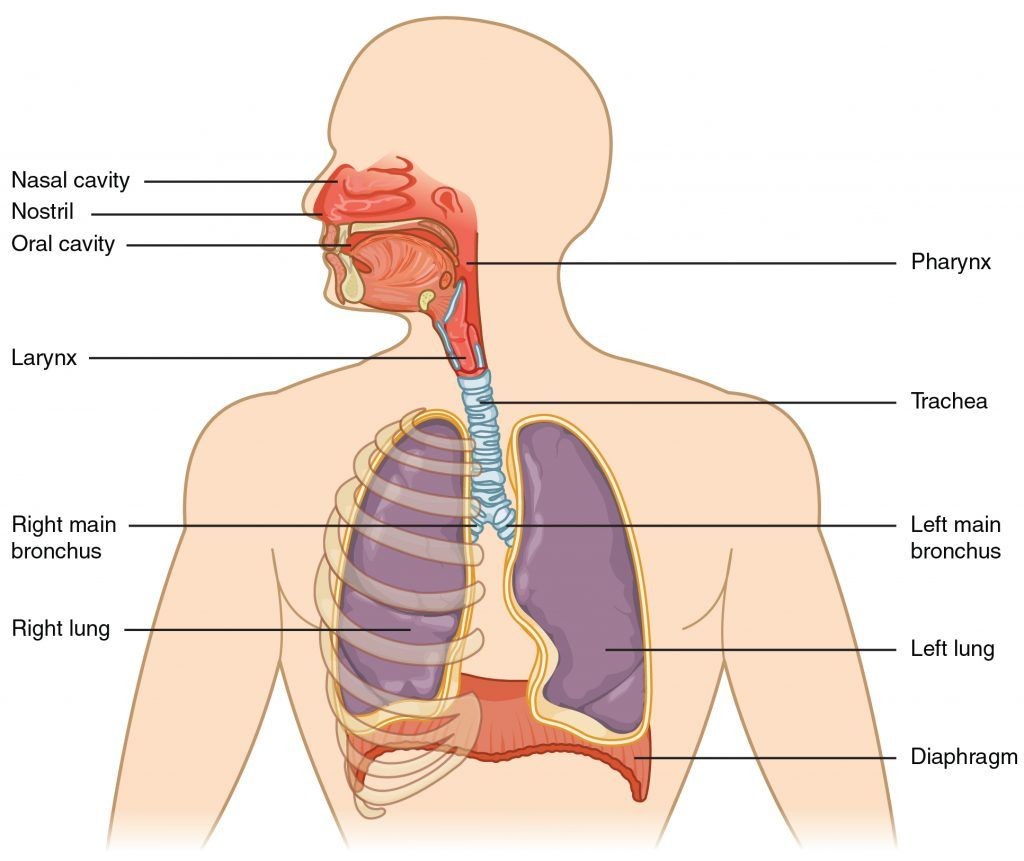
1. Nose and Nasal Cavity: Air enters here. Tiny hairs called cilia filter out dust and germs, and mucus warms and moistens the air before it reaches the lungs.
2. Pharynx (Throat): The pathway for both air and food.
3. Larynx (Voice Box): Contains the vocal cords that produce sound.
4. Trachea (Windpipe): A tube reinforced with rings of cartilage that carries air from the larynx to the lungs.
5. Bronchi: The trachea splits into two tubes, one for each lung.
6. Lungs: The main organs of the respiratory system, located in the chest cavity.
7. Diaphragm: A large muscle beneath the lungs that controls breathing.
Lesson 2: The Mechanics of Breathing
Learning Objectives:
How We Breathe:
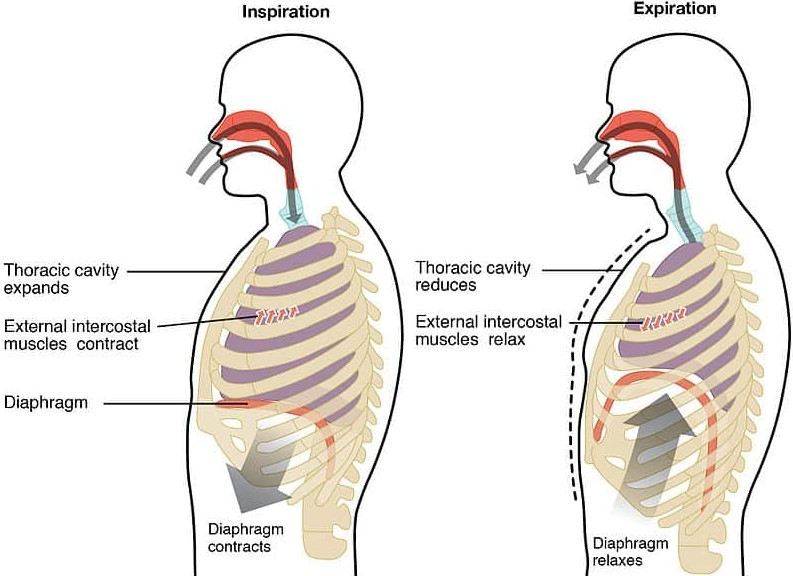
The act of breathing is controlled by the diaphragm and the muscles between your ribs.
Inhalation (Breathing In): The diaphragm contracts and moves down, creating more space in your chest cavity. This movement pulls air into your lungs.
Exhalation (Breathing Out): The diaphragm relaxes and moves up, and the rib muscles relax, making your chest cavity smaller. This pushes the air out of your lungs.
Gas Exchange:
Inside the lungs, the bronchi branch into smaller tubes called bronchioles, which end in tiny air sacs called alveoli.
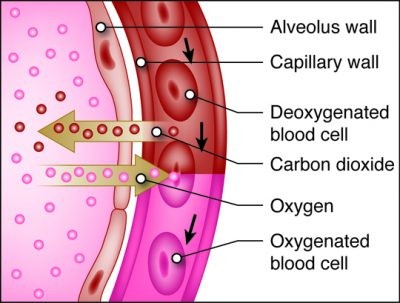
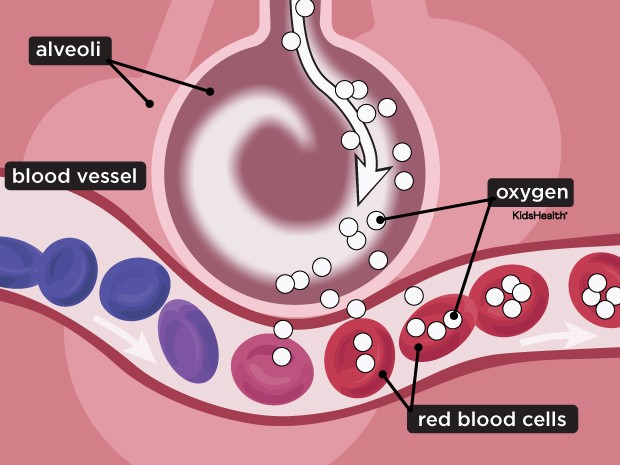
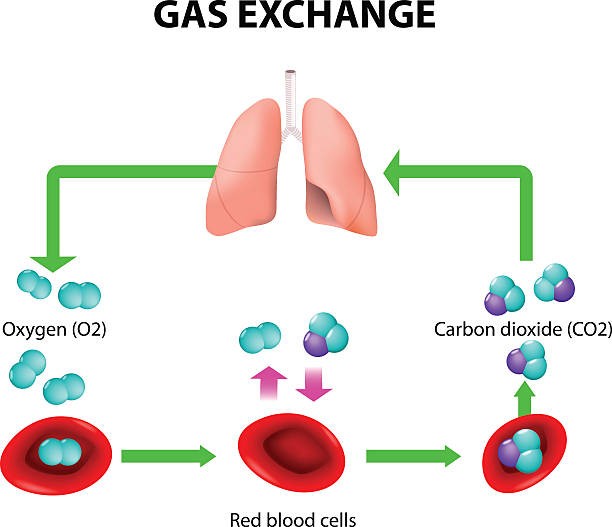
Here, oxygen from the air passes into tiny blood vessels (capillaries) to be distributed throughout the body.
At the same time, carbon dioxide from the blood passes into the alveoli to be exhaled.
Where Does Air Go?
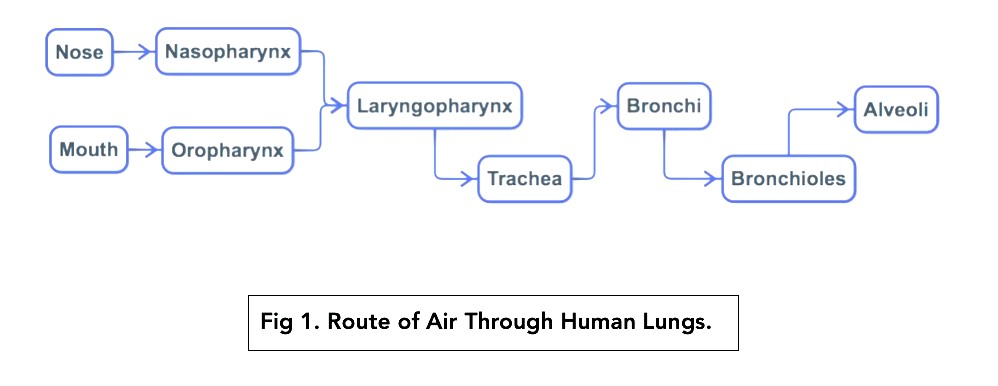
Air enters the respiratory system through the nose or the mouth, then travels down a pathway to the lungs. In the nostrils, air gets warmed and moistened. Tiny hairs in the nose called cilia filter out dust and other particles.
The nasal cavity and mouth join at the area in the back of the throat called the pharynx. The pharynx is part of two body systems (the respiratory system and the digestive system) because it carries both air and food.
At the bottom of the pharynx, two pipes split off — one for air and one for food. One pipe, the larynx, is for air only. It’s also called the voice box because it contains a pair of vocal cords that vibrate to make sounds when you talk.
(The other pipe is called the esophagus and is the pathway that brings food to the stomach.) A small flap of tissue called the epiglottis protects the larynx. When we swallow, the epiglottis covers the larynx to prevent food and liquid from going into the lungs.
The trachea (windpipe) is the part of the airway that continues below the larynx. The walls of the trachea have stiff rings of cartilage to keep it open. The trachea is also lined with cilia, which sweep fluids and foreign particles out of the airway to keep them out of the lungs.
Further down, the trachea divides into two tubes (left and right) called bronchi. The bronchi connect the trachea to the lungs.
What Happens at the Lungs?
The bronchi branch off into smaller bronchi and even smaller tubes called bronchioles. At the end of each bronchiole are tiny air sacs called alveoli.
This is the place where the exchange of oxygen and carbon dioxide actually happens. Each person has hundreds of millions of alveoli in their lungs. This network of alveoli, bronchioles, and bronchi is known as the bronchial tree.
The lungs contain elastic tissue so they can inflate and deflate easily. They're covered by a thin lining called the pleura.
The thorax is the airtight box that houses the bronchial tree, lungs, heart, and other structures.
The top and sides of the thorax are formed by the ribs and muscles. These chest walls form a protective cage around the organs in the chest cavity. The bottom of the chest cavity is formed by the diaphragm.
How Does Oxygen Get From the Lungs to the Cells?
Every few seconds, with each inhalation, air fills a large portion of the millions of alveoli.
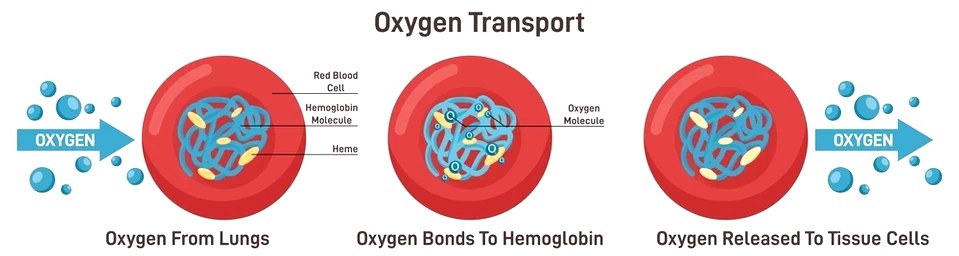
Oxygen moves from the alveoli to the blood through the capillaries (tiny blood vessels) lining the alveolar walls.
This process is called diffusion. In the bloodstream, oxygen gets picked up by the hemoglobin in red blood cells.
This oxygen-rich blood then goes to the heart, which pumps it to the body. In tiny capillaries throughout the body, oxygen leaves the hemoglobin and moves into the cells.
How Does Carbon Dioxide Get From the Cells to the Lungs?
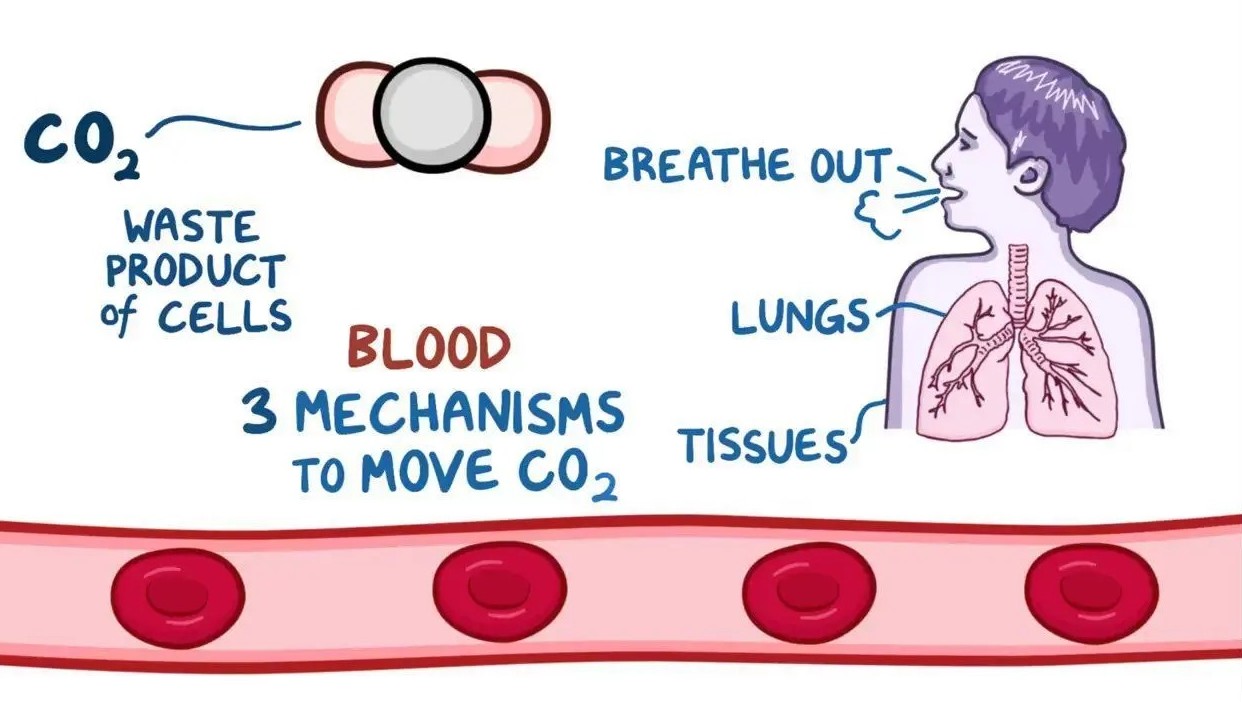
As cells do their work, they make carbon dioxide.
The carbon dioxide moves out of the cells into the capillaries and bloodstream.
Blood rich in carbon dioxide travels to the heart, which pumps it to the lungs.
Carbon dioxide goes from the capillaries around the alveoli into the alveoli.
Then carbon dioxide goes up the bronchioles to the bronchi, and then to the trachea to be exhaled.
Lesson 3: Caring for Your Respiratory System
Learning Objectives:
Healthy Respiratory Habits:
Avoid Smoking: Smoking is extremely harmful to the lungs and can lead to serious diseases like lung cancer. Avoid secondhand smoke as well.
Exercise Regularly: Physical activity strengthens your lungs and heart, making them more efficient.
Practice Proper Hygiene: Wash your hands regularly to prevent the spread of germs. Cover your mouth and nose when you cough or sneeze.
Breathe Clean Air: Avoid places with heavy air pollution and keep your home clean from dust and mold.
Eat Healthy: A diet rich in fruits and vegetables can help protect your lungs.
Assessment
Part I: Multiple Choice
Choose the letter of the correct answer.
1. What is the main function of the respiratory system?
a. Pumping blood
b. Exchanging gases
c. Breaking down food
d. Producing sound
2. Which organ is responsible for filtering and warming the air we breathe?
a. Lungs
b. Diaphragm
c. Nose
d. Trachea
3. What happens when the diaphragm contracts and moves down?
a. You exhale
b. Your lungs shrink
c. You inhale
d. You cough
4. Where does the exchange of oxygen and carbon dioxide take place?
a. Trachea
b. Bronchi
c. Pharynx
d. Alveoli
5. Which of the following is harmful to your respiratory system?
a. Exercising regularly
b. Avoiding secondhand smoke
c. Washing your hands
d. Smoking
Part II: Short Answer
Answer the following questions in a few sentences.