Science IV: Living Things : Animal and Plant Systems
Vocabulary Words
system – A group of parts that work together to do a specific job.
muscular system – The body system that helps you move by using
muscles.
skeletal system – The body system made up of bones that supports your
body and protects organs.
digestive system – The body system that breaks down food so your body
can use it for energy.
circulatory system – The body system that moves blood around your
body to deliver oxygen and nutrients.
respiratory system – The body system that helps you breathe in oxygen
and breathe out carbon dioxide.
root system – The part of a plant that grows below the ground and takes in
water and nutrients.
shoot system – The part of a plant that grows above the ground, including
stems, leaves, flowers, and fruits.
nutrients – Substances that living things need to grow and stay healthy.
oxygen – A gas from the air that humans and animals need to live.
Expanded Lesson: Systems in Plants and Animals
I. Human Body Systems
Your body is like a busy city — every part has a job to keep you alive and healthy. These jobs are done by systems, which are groups of organs working together. Let’s look at the five systems you need to know.
A. Muscular System
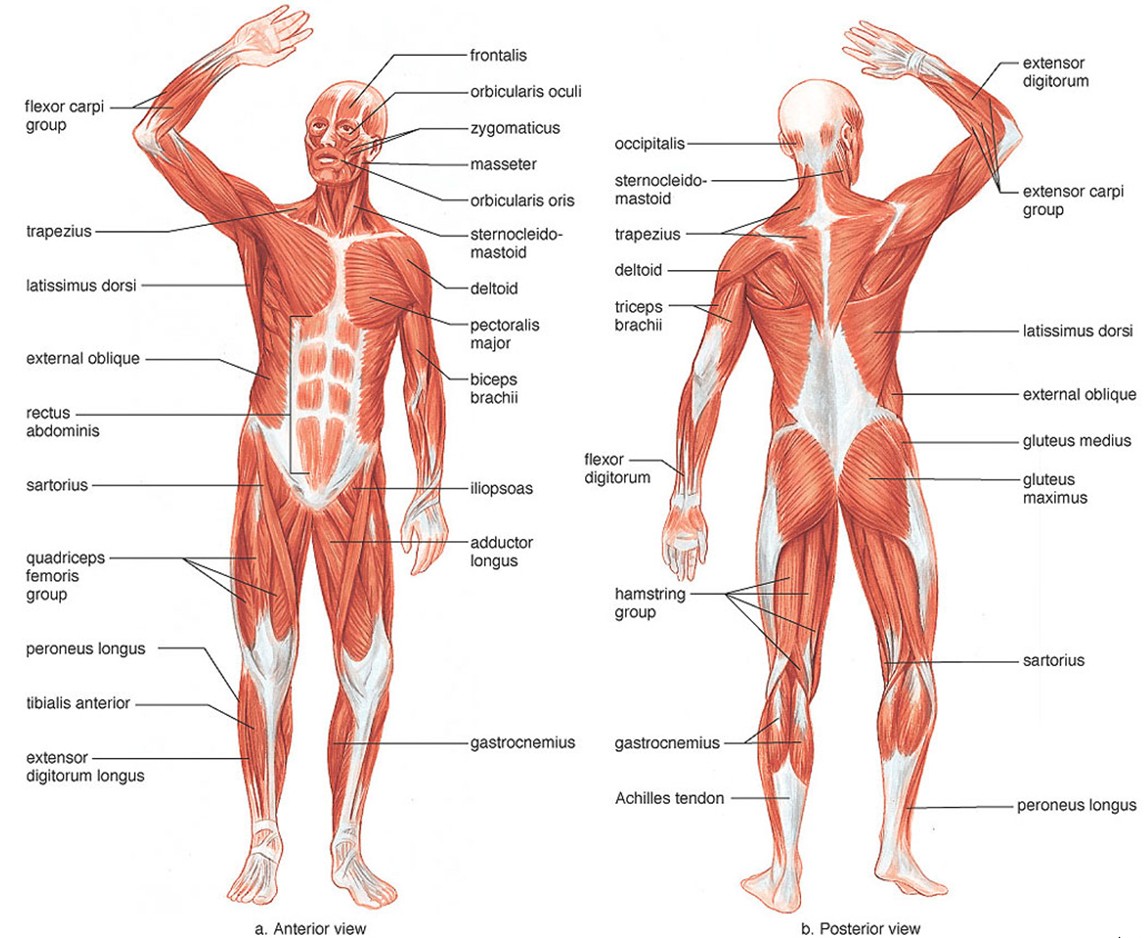
You have more than 600 muscles in your body, and they are always working — even when you are sleeping! Your muscles work together with your skeletal system so you can move, lift, jump, and even smile.
Example in real life: When you play patintero, your leg muscles help you run, and your arm muscles help you block your opponent.
Muscles are made of special tissue that can contract (shorten) and relax. This movement creates force, which allows your body to do all sorts of actions. Without muscles, you wouldn’t be able to walk to school, carry your school bag, or even write your name.
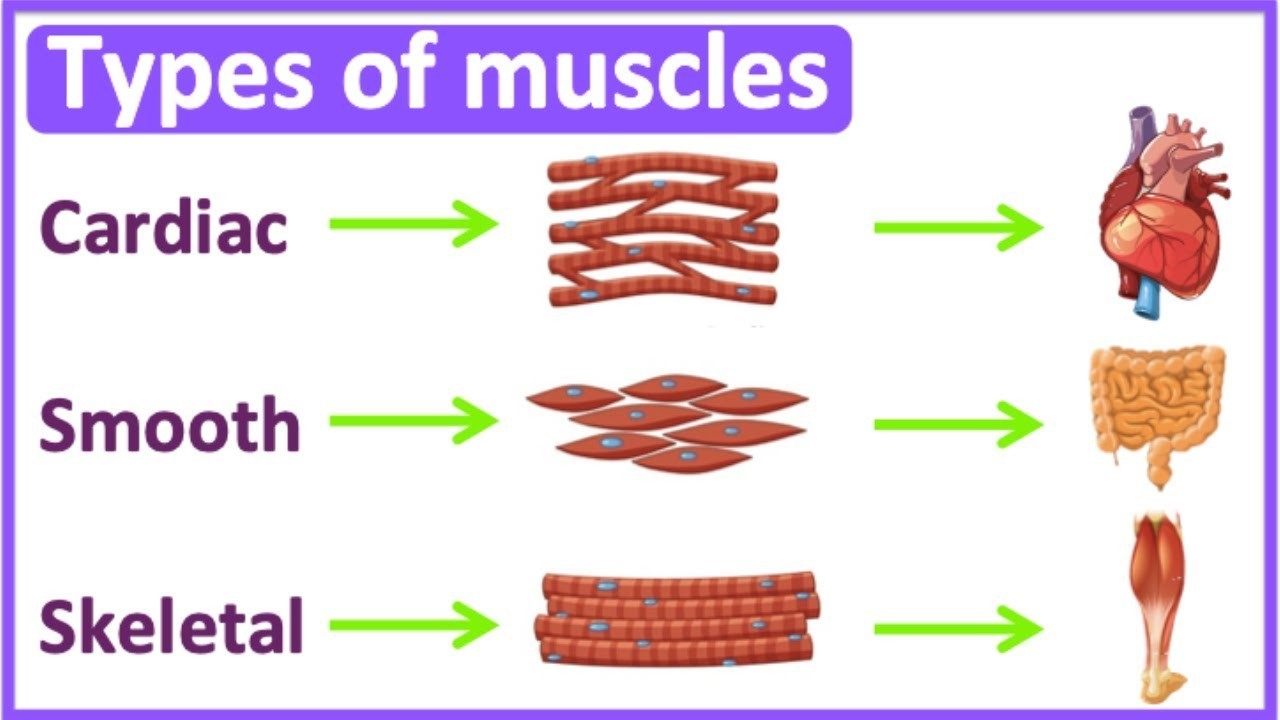
Three Types of Muscles in Your Body
Skeletal Muscles – Attached to your bones; they help you move. These are
muscles you can control.
Example: Your leg muscles when you play sipa or run in a school race.
Smooth Muscles – Found inside your organs (like your stomach and
intestines); they work automatically without you thinking about it.
Example: Your stomach muscles help digest pancit even while you’re sitting in class.
Cardiac Muscle – Found only in your heart; it works non-stop to pump blood
around your body.
Example: Your heart keeps beating when you’re sleeping, playing patintero, or doing homework.
How Do Muscles Work?
Muscles generate movement by contracting and relaxing. They pull on bones to produce motion, working in pairs to bend and straighten limbs. The nervous system initiates muscle contractions, and the structure of muscle fibers allows for this coordinated movement.
Muscles work in pairs — when one muscle contracts, the other relaxes. For example, when you bend your arm to eat lumpia, your biceps contract while your triceps relax.
Why is the Muscular System Important?
Healthy Habits for Strong Muscles
Fun Facts (Did You Know?)
Try This!
B. Skeletal System
What is the Skeletal System?
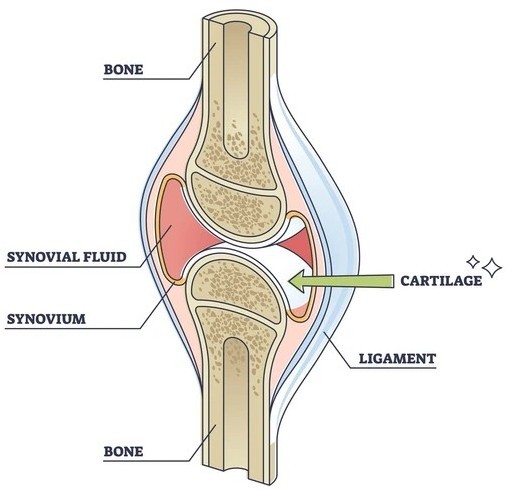
Your skeletal system is made up of bones, joints, and cartilage. It is the framework of your body — just like the bamboo frame that supports a bahay kubo. Without your skeleton, you would be like a jellyfish, unable to stand, walk, or even sit.
Your skeletal system works closely with your muscular system so you can move. It also protects important organs inside your body.
Main Functions of the Skeletal System
Support – It gives your body shape and structure.
Example: Your spine keeps you upright when you sit at your school desk.
Movement – Bones work with muscles so you can run, jump, and dance.
Example: Your leg bones and muscles work together when you play luksong tinik.
Protection – Bones guard your internal organs.
Example: Your rib cage protects your heart and lungs like a shield.
Making Blood Cells – Inside some bones is bone marrow, which produces red blood cells (for carrying oxygen) and white blood cells (for fighting germs).
Storing Minerals – Bones store important minerals like calcium and phosphorus, which keep them strong.
Parts of the Skeletal System
Bones – Hard structures that give your body shape and support. An adult has 206 bones, but children have more because some bones fuse together as they grow.
Joints – Places where two bones meet, allowing movement (like knees and elbows).
Cartilage – Soft, rubbery tissue found in joints, nose, and ears that cushions bones and prevents them from rubbing together.
Healthy Habits for Strong Bones
Fun Facts : Did You Know?
C. Digestive System
Your digestive system is the body’s food-processing machine. It breaks down the food you eat into smaller parts so your body can absorb the nutrients and use them for energy, growth, and repair.
Think of it like a kitchen in your body — where food is prepared, cooked, and turned into fuel so you can play, study, and grow strong.
How the Digestive System Works
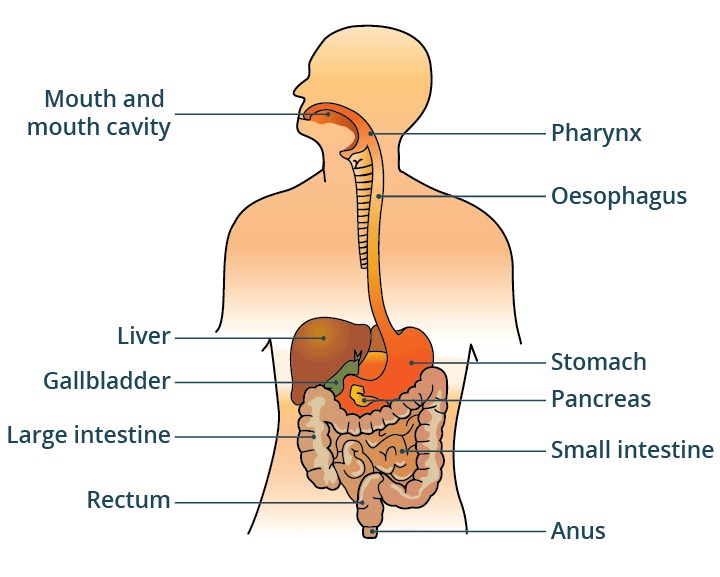
The digestive system is like a long, twisty tube from your mouth to your anus. Here’s how food travels through it:
Mouth – Digestion starts here. Your teeth chew the food into smaller
pieces, and your saliva softens it.
Example: When you eat pandesal, your teeth crush it, and your saliva begins breaking it down.
Esophagus – A tube that connects your mouth to your stomach. Muscles
push food down in a wave-like motion called peristalsis.
Stomach – A bag-like organ that churns food and mixes it with digestive
juices to make it soft and mushy.
Example: Your stomach turns your lunch of rice and adobo into a mixture your body can process.
Small Intestine – A long, coiled tube where most nutrients are absorbed
into your blood.
Example: The vitamins from the vegetables in your pinakbet are absorbed here.
Large Intestine – Absorbs water from leftover food and turns it into solid
Anus – The final opening where waste leaves your body.
Why the Digestive System is Important
Healthy Habits for a Strong Digestive System
Fun Facts (Did You Know?)
D. Circulatory System
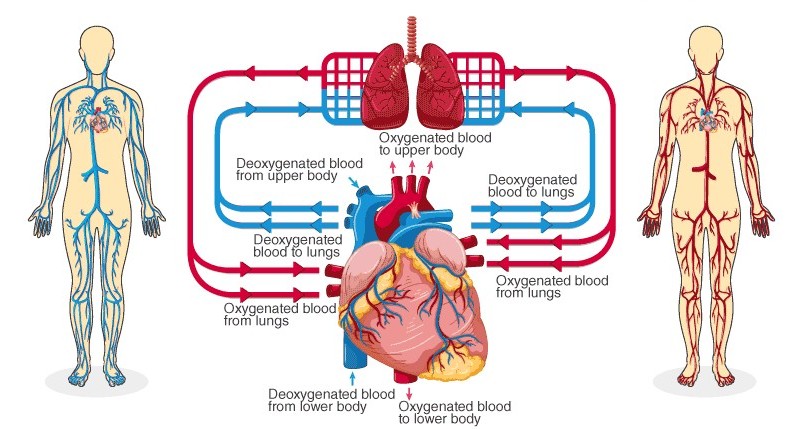
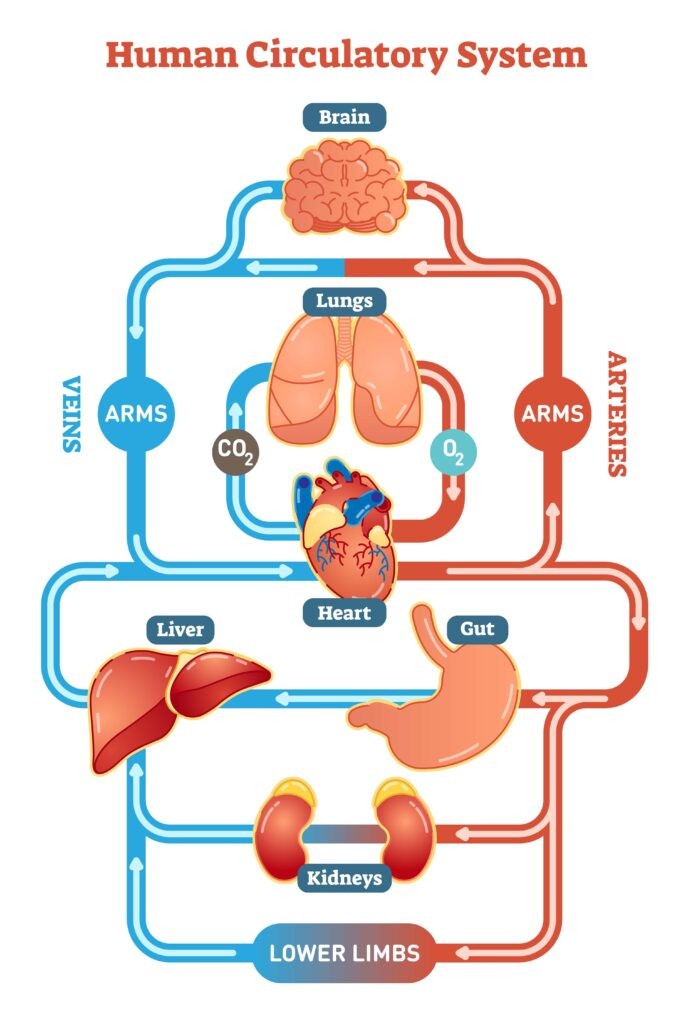
Your circulatory system is like the delivery service of your body. It moves blood, oxygen, and nutrients to every cell, and it carries away waste products. Without it, your body wouldn’t get the energy it needs to work.
This system is made up of your heart, blood vessels, and blood.
Main Parts of the Circulatory System
Heart – A strong muscle that pumps blood all over your body. It works
like a water pump, never stopping — even while you sleep.
Example: When you play luksong baka, your heart beats faster to send more oxygen to your muscles.
Blood Vessels – Tiny and large tubes that carry blood around the
body.
Arteries carry blood away from the heart.
Veins carry blood back to the heart.
Capillaries are the smallest blood vessels where oxygen and nutrients pass into your cells.
Blood – The red liquid that carries oxygen, nutrients, hormones, and
waste.
Red blood cells carry oxygen.
White blood cells fight germs.
Platelets help stop bleeding when you get a cut.
How the Circulatory System Works
When you breathe in, oxygen enters your lungs. The circulatory system picks up that oxygen from your lungs and delivers it to every cell in your body through the blood. At the same time, it carries away carbon dioxide and other waste to be removed from your body.
Why the Circulatory System is Important
Healthy Habits for a Strong Circulatory System
Fun Facts (Did You Know?)
E. Respiratory System
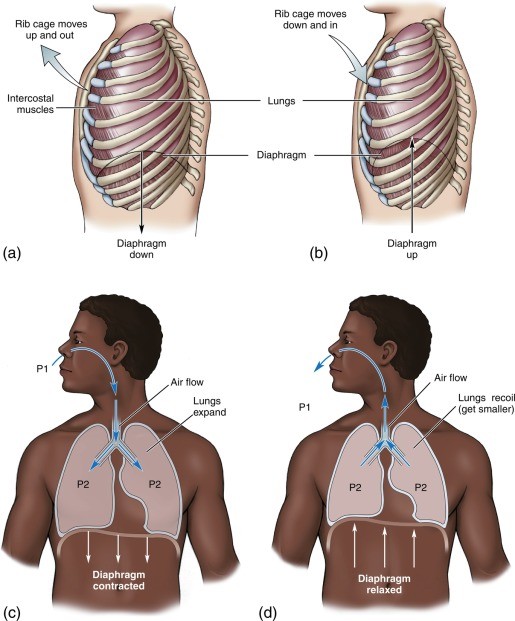
Your respiratory system is your body’s breathing machine. It brings oxygen into your body when you inhale and removes carbon dioxide when you exhale. Every cell in your body needs oxygen to live, and your respiratory system works together with your circulatory system to deliver it.
Main Parts of the Respiratory System
Nose and Mouth – The main entrances for air. Tiny hairs in your nose filter dust and dirt.
Example: When you breathe in the smell of freshly cooked bibingka, air first passes through your nose.
Trachea (Windpipe) – The tube that carries air from your throat to your lungs.
Lungs – The main organs of breathing. You have two lungs — the right lung and the left lung. Inside are bronchi (air tubes) that branch into smaller bronchioles and end in tiny air sacs called alveoli, where oxygen enters the blood.
Diaphragm – A strong muscle under your lungs that moves up and down to help you breathe.
How the Respiratory System Works
Why the Respiratory System is Important
Healthy Habits for a Strong Respiratory System
Fun Facts (Did You Know?)
Assessment: Muscular System
Part A – Vocabulary (5 points)
Match the term to its correct meaning. Write the letter of your answer.
A. Skeletal Muscles
B. Smooth Muscles
C. Cardiac Muscle
D. Contract
E. Relax
_____1. The muscle type found only in the heart.
_____2. The muscle type you can control that moves your bones.
_____3. When a muscle shortens to create movement.
_____4. The muscle type found in the stomach and intestines.
_____5. When a muscle lengthens after movement.
Part B – Identification (5 points)
Write the correct answer in the blank.
How many muscles are in the human body?
6. _________________________________
Which system works closely with the muscular system to allow movement?
7. _________________________________
Name one activity where you use your leg muscles.
8. _________________________________
What nutrient is important for muscle growth?
9. _________________________________
What is the main job of muscles?
10. _________________________________
Part C – Answer each question in 2–3 sentences.
Part D – Critical Thinking (5 points)
Read the situation and answer the question.
Situation: You are playing luksong tinik during recess. Your leg muscles start to feel tired after several jumps.
What is happening to your muscles, and what should you do to keep them strong and healthy?
Assessment: Skeletal System
Part A – Vocabulary (5 points)
Match the term to its correct meaning. Write the letter of your answer.
A. Bones
B. Joints
C. Cartilage
D. Bone Marrow
E. Calcium
_____1. Soft, rubbery tissue that cushions bones; found in the nose and ears.
_____2. Hard structures that give your body shape and protect organs.
_____3. Mineral stored in bones that keeps them strong.
_____4. Places where two bones meet, allowing movement.
_____5. Soft tissue inside bones that makes blood cells.
Part B – Identification (5 points)
Write the correct answer in the blank.
How many bones does an adult human have?
6. ________________________
Name one function of the skeletal system that protects the organs.
7. ________________________
Which bone is the largest in the human body?
8. ________________________
Which bone is the smallest in the human body?
9. ________________________
What vitamin helps the body absorb calcium for strong bones?
10. _______________________
Part C – Short Answer (5 points)
Answer each question in 2–3 sentences.
Part D – Critical Thinking (5 points)
Read the situation and answer the question.
Situation: You see a classmate slouching while doing schoolwork.
What advice would you give them to protect their skeletal system, and why is posture important?
Assessment: Digestive System
Part A – Vocabulary (5 points)
Match the term to its correct meaning. Write the letter of your answer.
A. Mouth
B. Stomach
C. Small Intestine
D. Large Intestine
E. Esophagus
_____1. The first part of the digestive system where food is chewed and
mixed with saliva.
_____2. Long tube where most nutrients from food are absorbed into the
blood.
_____3. Tube that carries food from the mouth to the stomach.
_____4. Organ that churns food and mixes it with digestive juices.
_____5. Part of the digestive system that absorbs water and forms solid
waste.
Part B – Identification (5 points)
Write the correct answer in the blank.
What is the main job of the digestive system?
6. _____________________
What is the process of moving food down the esophagus called?
7. _____________________
Name one local food that provides fiber for healthy digestion.
8. _____________________
Which organ produces strong acid to help break down food?
9. _____________________
What is the last part of the digestive system where waste leaves the body?
10. ____________________
Part C – Short Answer (5 points)
Answer each question in 2–3 sentences.
Part D – Critical Thinking (5 points)
Read the situation and answer the question.
Situation: After eating a big meal during a fiesta, you feel too full and sleepy.
What is happening inside your digestive system, and what can you do to help it work better after large meals?
Assessment: Circulatory System
Part A – Vocabulary (5 points)
Match the term to its correct meaning. Write the letter of your answer.
A. Heart
B. Arteries
C. Veins
D. Capillaries
E. Red Blood Cells
_____1. Blood vessels that carry blood away from the heart.
_____2. The smallest blood vessels where oxygen and nutrients move into the
cells.
_____3. The muscle that pumps blood all over the body.
_____4. Blood vessels that carry blood back to the heart.
_____5. Cells in the blood that carry oxygen.
Part B – Identification (5 points)
Write the correct answer in the blank.
What is the main job of the circulatory system?
6. _____________
Which part of the blood helps fight germs?
7. ________________
Name one local food that is good for heart health.
8. _________________
What gas do red blood cells carry to the body’s cells?
9. ___________________
Which two systems work closely to deliver oxygen throughout the body?
10. ______________
Part C – Short Answer (5 points)
Answer each question in 2–3 sentences.
Part E – Critical Thinking (5 points)
Read the situation and answer the question.
Situation: You are running a race during Sports Day. Halfway through, you start breathing heavily and your heart beats fast.
Explain how your circulatory system is helping you during this activity and why it’s important for you to cool down after.
Assessment: Respiratory System
Part A – Vocabulary (5 points)
Match the term to its correct meaning. Write the letter of your answer.
A. Lungs
B. Diaphragm
C. Trachea
D. Alveoli
E. Oxygen
_____1. The main organs of breathing that take in oxygen and release carbon
dioxide.
_____2. The gas you inhale that your body needs to survive.
_____3. Tiny air sacs in the lungs where oxygen enters the blood.
_____4. The strong muscle under your lungs that helps you breathe.
_____5. The windpipe that carries air from your throat to your lungs.
Part B – Identification (5 points)
Write the correct answer in the blank.
What is the main job of the respiratory system?
6. ______________
Which gas do you release when you exhale?
7. __________________
Name one activity that can help strengthen your lungs.
8. _______________
Which system works closely with the respiratory system to deliver oxygen to your body?
9.__________________
Which part of the respiratory system filters dust when you breathe in?
10. _____________
Part C – Short Answer (5 points)
Answer each question in 2–3 sentences.
Part D – Critical Thinking (5 points)
Read the situation and answer the question.
Situation: You are singing in your school’s Buwan ng Wika program. You take deep breaths between lines.
Explain how your respiratory system is helping you sing and why breathing techniques are important for performances.
Root System and Shoot System in Plants
What are Plant Systems?
Just like animals and humans have body systems to survive, plants also have systems that help them live, grow, and reproduce. These systems work together to get food, water, and sunlight, and to protect the plant from harm.
Plants have two main systems:
Root System – The part of the plant that grows below the ground.
Shoot System – The part of the plant that grows above the ground.
1. Root System
The root system is the underground part of the plant. It has three main jobs:
Functions of the Root System
Anchoring – Roots hold the plant firmly in the soil so it doesn’t get blown away
by wind or washed away by rain.
Example: In the rice paddies of Iloilo, rice roots keep the plants steady even during strong rains.
Absorbing Water and Nutrients – Roots take in water and minerals from
the soil, which are sent to the rest of the plant.
Example: The roots of a calamansi tree absorb water after you water it in the garden.
Storing Food – Some roots store food for the plant.
Example: Sweet potato (kamote) roots store starch, which we can eat.
Types of Roots
Taproot – One main thick root growing straight down with smaller side roots.
Example: Carrot (karot) and radish (labanos).
Fibrous Roots – Many thin roots that spread out in all directions.
Example: Rice (palay) and onion (sibuyas).
2. Shoot System
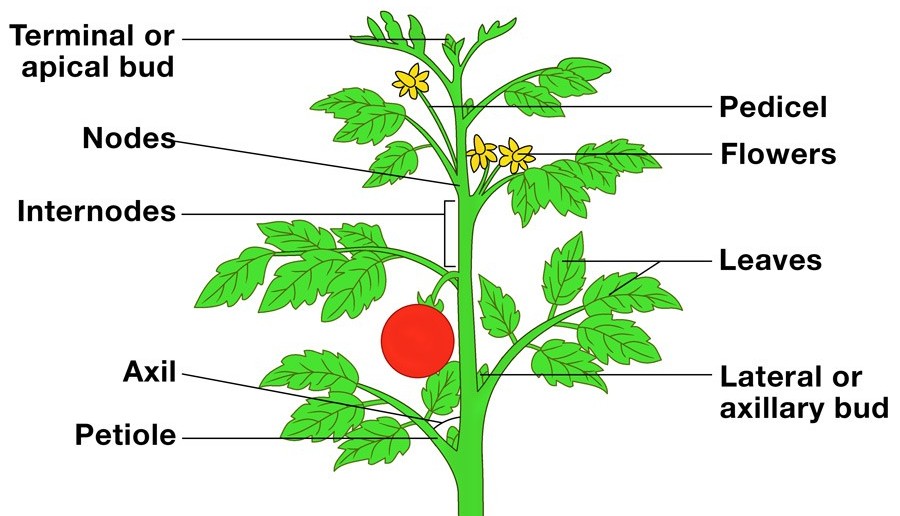
The shoot system is the part of the plant above the ground. It includes the stem, leaves, flowers, and fruits.
Functions of the Shoot System
Supporting the Plant – Stems hold up the leaves, flowers, and fruits so they can get sunlight.
Example: The stem of a sunflower holds up its large flower to face the sun.
Transporting Water and Nutrients – Stems act like highways, carrying water from the roots to the leaves and food from the leaves to the rest of the plant.
Photosynthesis – Leaves make food for the plant using sunlight, water, and carbon dioxide.
Example: The leaves of a malunggay tree use sunlight to make nutrients for growth.
Reproduction – Flowers produce seeds for new plants. Fruits protect seeds and help them spread.
Example: A mango tree’s flowers turn into fruits that we eat, and inside are seeds that can grow into new mango trees.
Why Are Root and Shoot Systems Important?
If roots are damaged, the plant cannot absorb enough water and will wilt. If stems or leaves are damaged, the plant cannot make food through photosynthesis. Both systems must be healthy for the plant to survive.
Healthy Habits for Plants
Fun Facts (Did You Know?)
Assessment: Root and Shoot System in Plants
Part A – Vocabulary (5 points)
Match the term to its correct meaning. Write the letter of your answer.
A. Root System
B. Shoot System
C. Taproot
D. Fibrous Roots
E. Photosynthesis
_____1. The part of the plant above the ground, including stems, leaves, flowers, and fruits.
_____2. The process where leaves make food using sunlight, water, and carbon dioxide.
_____3. Many thin roots that spread out in all directions.
_____4. The part of the plant below the ground that absorbs water and nutrients.
_____5. One thick main root growing straight down.
Part B – Identification (5 points)
Write the correct answer in the blank.
Which type of root does a carrot have?
6. ____________________
What part of the shoot system carries water from roots to leaves?
7. ____________________
Name one plant in the Philippines that has fibrous roots.
8. ____________________
What is stored in sweet potato roots that we can eat?
9. ____________________
Which part of the shoot system produces seeds for new plants?
10. ____________________
Part C – Short Answer (5 points)
Answer each question in 2–3 sentences.
Part D – Critical Thinking (5 points)
Read the situation and answer the question.
Situation: A farmer notices that his rice plants have weak, yellow leaves and are falling over easily.
Which plant system might be having a problem, and what could the farmer do to help the plants recover?