Grade 4 – Music and Arts
Quarter 2 Lesson: Influences of Faiths and Beliefs on Music and Arts in Iloilo
Introduction
Iloilo is called the “Heart of the Philippines”
because it is full of culture, tradition, and
strong faith.
Festivals, churches, dances,
and artworks in Iloilo all show how faith and
beliefs influence the daily life of the people.
By studying these, we can better understand
how music, theater, dance, and visual arts
are connected to the values and traditions
of the Ilonggos.
In this lesson, you will learn about:
1. Local music, theater, dance, and arts in Iloilo influenced by faith and belief
2. The mediums and practices used in these local creative works
3. How these works reflect the culture and devotion of the Ilonggos
Part 1: Music in Iloilo
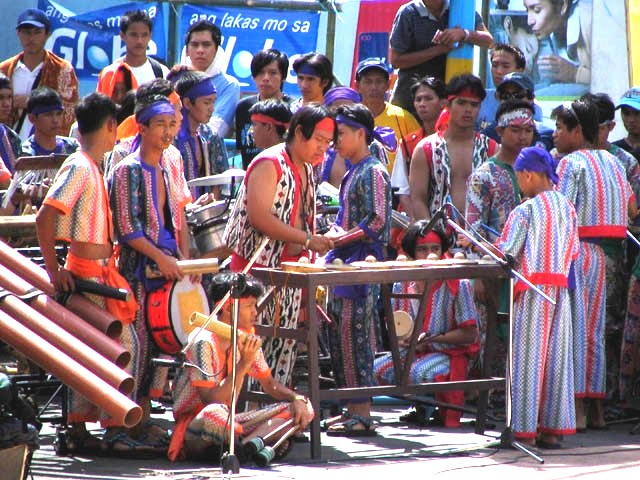
Dinagyang Festival Music –
The Ati-atihan–style drumbeats, chants,
and songs in honor of the Santo Niño.
The repeating rhythms and powerful
drum patterns bring energy and spirit
to the celebration.
Liturgical Music – Hymns and choirs in old churches like Jaro Cathedral and Molo Church show devotion and faith.
Traditional Chants – In rural areas, folk songs and chants are sometimes sung during harvest or fiestas, thanking God for blessings.
Key Idea: In Iloilo, music is used to express praise, thanksgiving, and celebration of faith.
Part 2: Theater and Dance in Iloilo
Theater
The Pagtaltal sa Guimaras
(nearby Iloilo) and local Holy Week
dramatizations are examples of stage
plays showing the Passion of Christ.
Barangays also present street dramas
and pageantry during fiestas to honor
patron saints.
Dance
Dinagyang Dance Rituals – Colorful
dances performed in honor of the
Santo Niño. These include synchronized
movements, body paint, and costumes
inspired by the Ati people.
Folk Dances – Dances performed during town fiestas
often include themes of thanksgiving for harvest,
amily, and blessings.
Iloilo is known for folk dances such as Paseo de Iloilo,
a Spanish-influenced courtship dance, and Katalana,
a folk dance from the province. The region also
celebrates these traditions through events like the
annual Saot Ilonggo, a folk dance festival.
Other regional dances include the La Jota San Joaquina, a version of La Jota from San Joaquin, Iloilo, and the more general Filipino folk dances like Cariñosa and Tinikling are also popular in the region.
Key Idea: Theater and dance in Iloilo are closely tied to devotion, fiesta traditions, and thanksgiving rituals.
Part 3: Visual Arts in Iloilo
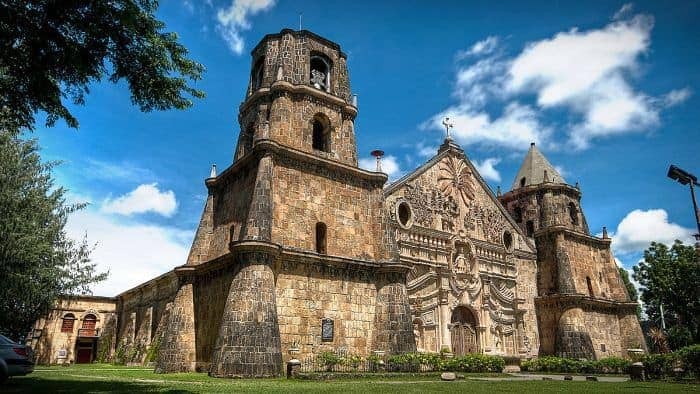
Church Architecture – Miag-ao Church,
a UNESCO World Heritage Site, shows
carved designs of plants, saints, and local
symbols mixed with Spanish Baroque style.
The Santo Tomás de Villanueva Parish Church, known as Miagao Church, in Miagao, Iloilo, Philippines, is a Roman Catholic church recognized as a UNESCO World Heritage Site. It is one of the four "Baroque Churches of the Philippines" inscribed in 1993, notable for its unique fortress-like structure and facade.
Architectural features and defense
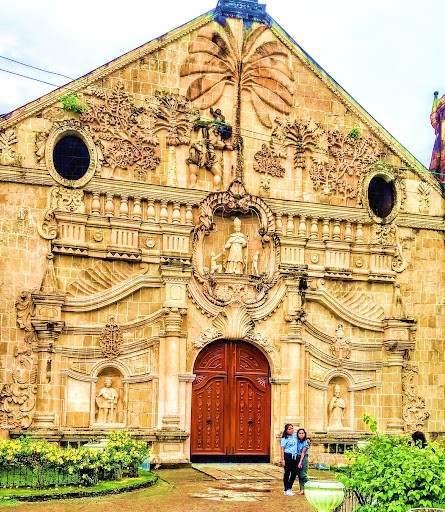
Unique facade: The facade blends
Spanish and native influences,
featuring a prominent bas-relief of
St. Christopher dressed in local attire,
holding a coconut tree. Carvings also
depict local life and flora such as
papaya and palm trees.
Fortress design: Constructed between
1787 and 1797, the church served as
both a place of worship and a defense
against Moro raiders. It has a deep
foundation and thick stone walls
supported by substantial buttresses.
Watchtower belfries: Unequal-sized bell towers flank the church and functioned as watchtowers.
Distinct color: The church's yellow-ochre color results from materials like adobe, egg, coral, and limestone used in its construction.
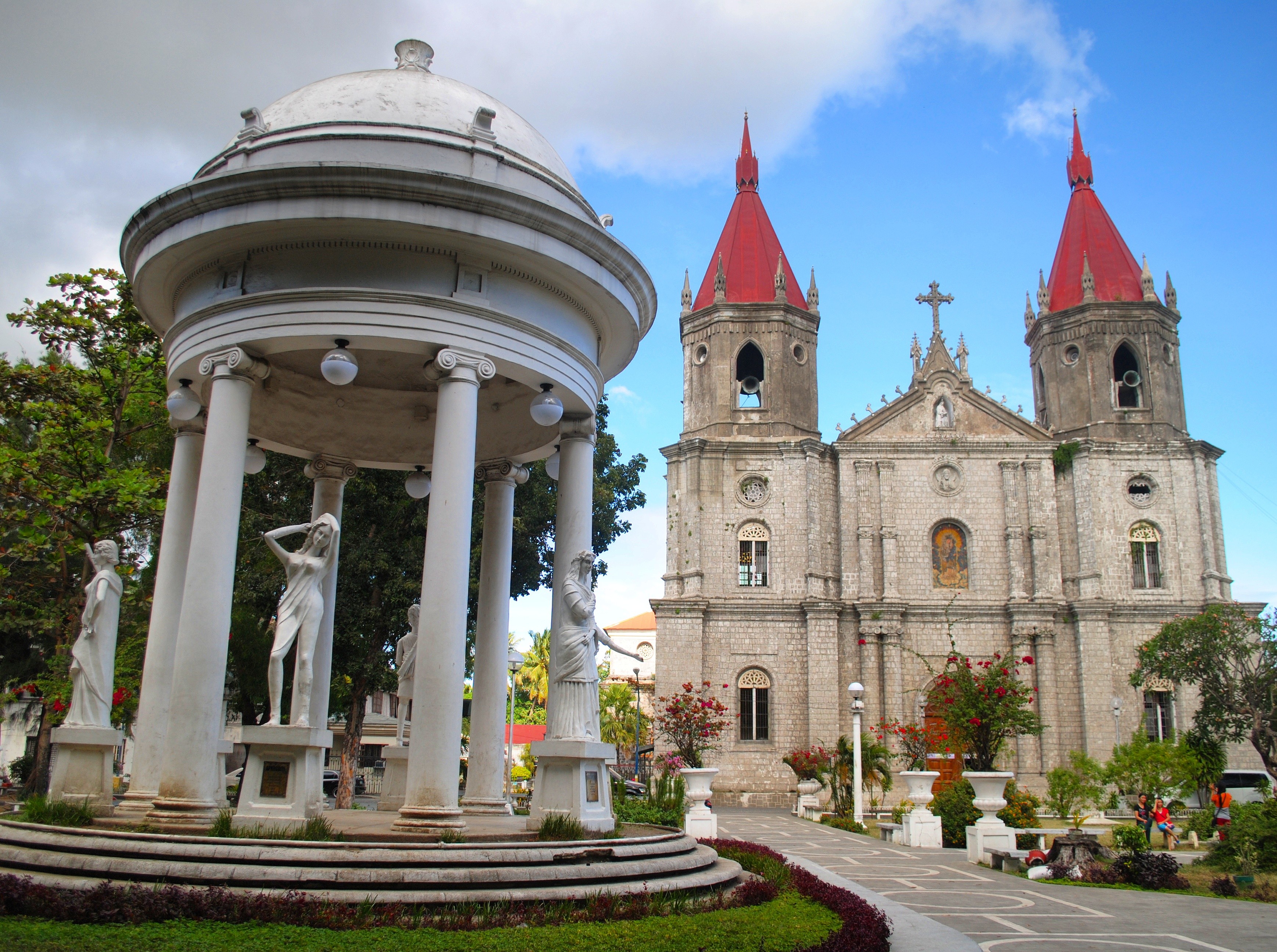
Molo Church – Known as the
“Feminist Church,” it is filled
with statues of women saints,
showing devotion and artistry.
The Molo Church, officially known
as the Saint Anne Parish Church,
is a historic and architecturally
significant Roman Catholic church
in the Molo district of Iloilo City.
It is celebrated for its neo-Gothic design, beautiful facade made of white coral stone, and its unique collection of statues of female saints. Declared a national landmark in 1992, the church stands as one of the most famous historical sites and tourist attractions in Iloilo.
Religious Icons and Paintings – Aside from the two churches above, statues of the Santo Niño, murals in chapels, and fiesta decorations all reflect faith.
San Joaquin Church
This church stands out for its
militaristic and artistic heritage.
Intricate bas-relief: The most
famous artistic work here is the
large bas-relief carving of
The Rendition d' Tetuan on
its facade.
It depicts the battle between
the Spanish army and the
Moroccan invaders in Tetuan.
Religious and historical symbols:
The facade also features religious
icons of the Virgin Mary, Saint Peter
Regaldo, and Saint Francis of Assisi.
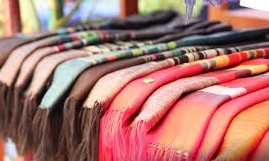
Weaving and Crafts – Hablon weaving of Iloilo uses patterns inspired by nature and faith, often worn during fiestas and religious occasions.
Iloilo has a long and rich tradition of weaving and crafts, most notably the handwoven hablon textile. The province was once known as the "Textile Capital of the Philippines" before cheaper, machine-made fabrics caused a decline in the industry. A revival is now underway, with government support and the efforts of local artisan communities helping to promote and preserve the cultural significance of Iloilo's woven products.
Weaving Hablon
What it is: Hablon is a handwoven
textile made from a variety of fibers,
traditionally including cotton, abaca
(Manila hemp), and piña (pineapple
fiber). The name comes from the
Hiligaynon word habol, which
means "to weave".
Cultural importance: Hablon weaving is a deeply-rooted part of the Ilonggo culture, representing the community's identity and heritage. The fabric often features vibrant colors and distinct patterns, including a mix of plaid and checkered designs.
Location: While Miagao is considered the home of hablon, weaving is also prominent in other Iloilo towns, such as Oton, Igbaras, Badiangan, and Dueñas.
Notable products: Hablon is used to create shawls, patadyong (a wrap-around skirt), sashes, table runners, and high-quality formal wear, including Filipiniana attire.
Where to find it: Arevalo Handwoven Products in Iloilo City is a long-standing business that features hablon. The Camiña Balay na Bato, a heritage house in Arevalo, also thrives on its hablon weaving business.
Key Idea: Visual arts in Iloilo highlight the people’s deep devotion, creativity, and connection to tradition.
Part 4: Mediums and Practices in Iloilo
Mediums: Drums, bamboo instruments, woven textiles, carved stone, church bells, colorful costumes.
Practices: Singing hymns in church, playing drum ensembles during Dinagyang, weaving hablon, and decorating homes and chapels during fiestas.
Part 5: Connecting to the Competencies
By looking at Iloilo’s music and arts, learners can see:
Remember
In Iloilo, faith and beliefs strongly influence music, theater, dance, and visual arts.
Festivals like Dinagyang, churches like Miag-ao and Molo, and crafts like hablon weaving show how Ilonggos express devotion, gratitude, and identity through creative works.
Music and arts in Iloilo are not only for entertainment, but also for worship, thanksgiving, and community pride.